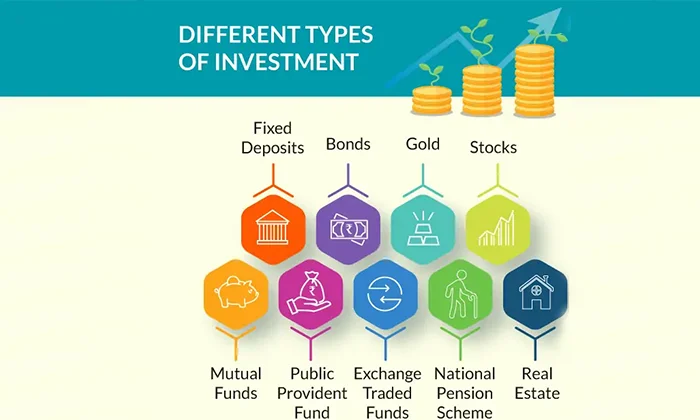
In the ever-evolving world of finance, investors have a plethora of options to choose from when it comes to growing their wealth. Each investment type offers unique benefits, risks, and potential returns. Whether you’re a novice investor or a seasoned pro, understanding the various investment options available can help you make informed decisions and tailor your portfolio to meet your financial goals. Let’s explore some of the most popular investment options in the financial market.
1. Stocks
Stocks represent ownership in a company. When you buy shares of a company, you become a partial owner and have a claim on its profits and assets. Stocks are known for their potential for high returns, but they also come with higher risk due to market volatility. Investors can benefit from capital appreciation (an increase in stock price) and dividends (a portion of the company’s earnings distributed to shareholders). However, stock prices can fluctuate significantly, influenced by market conditions, company performance, and economic factors.
2. Bonds
Bonds are fixed-income securities issued by corporations, municipalities, or governments. When you purchase a bond, you are essentially lending money to the issuer in exchange for periodic interest payments and the return of the bond’s face value at maturity. Bonds are generally considered lower-risk investments compared to stocks, as they provide regular income and have a defined maturity date. However, bond prices can still be affected by interest rate changes and credit risk.
3. Mutual Funds
Mutual funds pool money from multiple investors to invest in a diversified portfolio of stocks, bonds, or other securities. Managed by professional fund managers, mutual funds offer investors the advantage of diversification and professional management without requiring individual stock picking. They come in various types, including equity funds, bond funds, and balanced funds, each catering to different investment objectives. While mutual funds offer diversification, investors should be aware of management fees and expense ratios that can impact overall returns.
4. Exchange-traded funds (ETFs)
ETFs are similar to mutual funds in that they pool money to invest in a diversified portfolio, but they trade on stock exchanges like individual stocks. ETFs offer the benefits of diversification and lower expense ratios compared to mutual funds. They can track specific indices, sectors, or asset classes, providing investors with flexibility and the ability to invest in targeted strategies. ETFs are also known for their liquidity and transparency, making them an attractive option for many investors.
5. Real Estate
Investing in real estate involves purchasing property to generate rental income or capital appreciation. Real estate can provide a stable income stream through rent and potential tax benefits. It also offers the possibility of long-term capital gains if property values increase. However, real estate investments require significant capital, involve property management responsibilities, and are subject to market fluctuations and location-specific risks.
6. Commodities
Commodities include physical assets such as gold, silver, oil, and agricultural products. Investing in commodities can provide a hedge against inflation and diversify a portfolio. Commodities can be traded through futures contracts, ETFs, or commodity-focused mutual funds. However, commodity prices can be highly volatile and influenced by global supply and demand dynamics, making them a riskier investment compared to traditional assets.
7. Cryptocurrencies
Cryptocurrencies, like Bitcoin and Ethereum, represent a relatively new and rapidly evolving asset class. They offer the potential for high returns but come with extreme volatility and regulatory uncertainty. Cryptocurrencies are digital or virtual currencies that use blockchain technology to secure transactions. While they can offer significant growth potential, investors should approach them with caution and thorough research.
**Conclusion**
Each investment option carries its own set of risks and rewards. Diversifying your portfolio across various asset classes can help mitigate risk and enhance the potential for returns. Whether you choose stocks, bonds, mutual funds, ETFs, real estate, commodities, or cryptocurrencies, understanding the characteristics of each investment type and aligning them with your financial goals and risk tolerance is key to building a successful investment strategy.