What should investors do in the falling market?
The unpredictability of equity markets often leaves investors anxious during periods of decline. However, it’s important to remember that market downturns are a normal part of the investment landscape. In such challenging times, investors should adhere to a well-thought-out strategy to safeguard their financial goals and optimize their long-term returns.
- Stay Informed: The first step is to stay informed about the reasons behind the market’s decline. This will help you assess whether it’s a short-term correction or a more extended downturn. Analyzing economic indicators, global events, and market sentiment can provide valuable insights.
- Don’t Panic: The knee-jerk reaction to a market drop is often to sell off investments. Avoid making impulsive decisions driven by fear. History has shown that markets tend to recover over time, and selling low can result in substantial losses.
- Rebalance Your Portfolio: A falling market can disrupt the asset allocation you initially set up. Rebalancing your portfolio involves buying underperforming assets when they are cheaper, which can help you capitalize on future rebounds.
- Rupee-Cost Averaging: Consider employing a Rupee-cost averaging strategy, where you invest a fixed amount of money at regular intervals. This method can take advantage of lower prices during market downturns, reducing the average cost of your investments.
- Diversification: Ensure your portfolio is diversified across different asset classes and industries. Diversification can mitigate risk by spreading your investments, making your portfolio less susceptible to a single market’s fluctuations.
- Assess Risk Tolerance: Review your risk tolerance to ensure it aligns with your investment strategy. A significant market decline can test your ability to handle market volatility, and adjustments may be necessary.
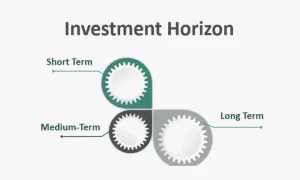
- If your investment horizon is long-term, bear in mind that market fluctuations are a natural part of the journey. Short-term losses should not deter you from your long-term goals.
- Seek Professional Guidance: Consult with a financial advisor during market downturns. They can provide valuable insights and help you make informed decisions based on your unique financial situation and objectives.
- Avoid Emotional Decisions: Emotions can lead to poor investment choices. Keep a level head, stick to your plan, and avoid reactionary decisions based on short-term market movements.
- Seize Opportunities: Market downturns can also present investment opportunities. High-quality stocks and assets may become undervalued, offering a chance to build a strong portfolio for the future.
In conclusion, while market downturns can be unsettling, they are an integral part of the investment journey. Investors should maintain a disciplined approach, stay informed, and make rational decisions that align with their long-term financial goals. Remember, patience and a well-structured strategy can turn market turbulence into an opportunity for long-term financial growth.