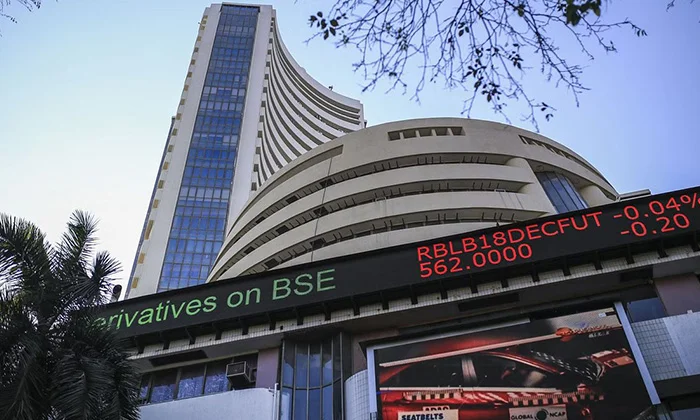
The Indian stock market, often referred to as a barometer of the nation’s economic health, is a dynamic and intricate entity that reflects the overall state of the economy. It serves as a mirror that captures the highs and lows, the ebbs and flows, of the economic landscape. In just 500 words, let’s explore how the Indian stock market acts as a telling indicator of the country’s economic vigor.
- Indicators of Economic Growth
The performance of the Indian stock market is intrinsically tied to the nation’s economic growth. When the economy is thriving, businesses generate higher profits, leading to increased investor confidence. This, in turn, results in a surge in stock prices and trading activity. Conversely, during periods of economic uncertainty or downturns, the stock market experiences volatility, with prices plummeting and trading volumes diminishing.
- Sensitivity to Macroeconomic Indicators
Macroeconomic indicators such as GDP growth rate, inflation rate, and fiscal policies have a profound impact on the Indian stock market. A robust GDP growth rate usually corresponds to improved corporate earnings and, consequently, higher stock valuations. Low inflation rates contribute to stable consumer purchasing power and encourage investor participation.
Government policies, especially those related to taxation, infrastructure spending, and monetary measures, can influence investor sentiment and market trends. Positive policy changes can result in a bullish market, while adverse policies may trigger a bearish sentiment.
- Sectoral Performance and Economic Trends
The Indian stock market provides a window into the performance of various sectors within the economy. Movements in sectoral indices offer insights into trends such as consumer spending, technology adoption, and global demand. For instance, a surge in pharmaceutical stocks may indicate increased healthcare expenditures, while a decline in real estate stocks might signal a slowdown in the construction sector.
Monitoring sectoral performance enables analysts to gauge which industries are thriving and which require attention, aiding policymakers in making informed decisions to stimulate growth.
- Capital Formation and Investment
One of the most significant roles of the Indian stock market is facilitating capital formation for companies. When businesses need funds for expansion, research, or innovation, they can raise capital by issuing shares to the public. This injection of funds not only supports corporate growth but also encourages public participation in the economy’s progress.
Investor sentiment regarding the stock market often spills over into their confidence in the broader economy. A bullish market fosters positive sentiments, leading to increased consumer spending and business investments.
- Impact on Investor Confidence
The fluctuations of the Indian stock market have a direct impact on investor confidence. A rising market creates a sense of financial well-being, often resulting in increased spending and investment. This phenomenon, known as the “wealth effect,” contributes to economic growth and stability.
Conversely, a downturn in the stock market can lead to decreased investor confidence and subsequent belt-tightening. In response, policymakers may introduce measures to restore investor faith, boost spending, and stimulate economic activity.
Conclusion
In its intricate web of numbers, charts, and transactions, the Indian stock market offers a vivid reflection of the nation’s economic fortunes. Its movements capture the essence of growth, innovation, challenges, and opportunities that define the Indian economy. As investors, policymakers, and analysts keep a watchful eye on its fluctuations, the Indian stock market remains an indispensable tool for understanding the trajectory of the nation’s economic journey. It stands as a testament to the interplay between financial markets and the broader economy, showcasing how the two dance in harmony to shape the destiny of a nation.